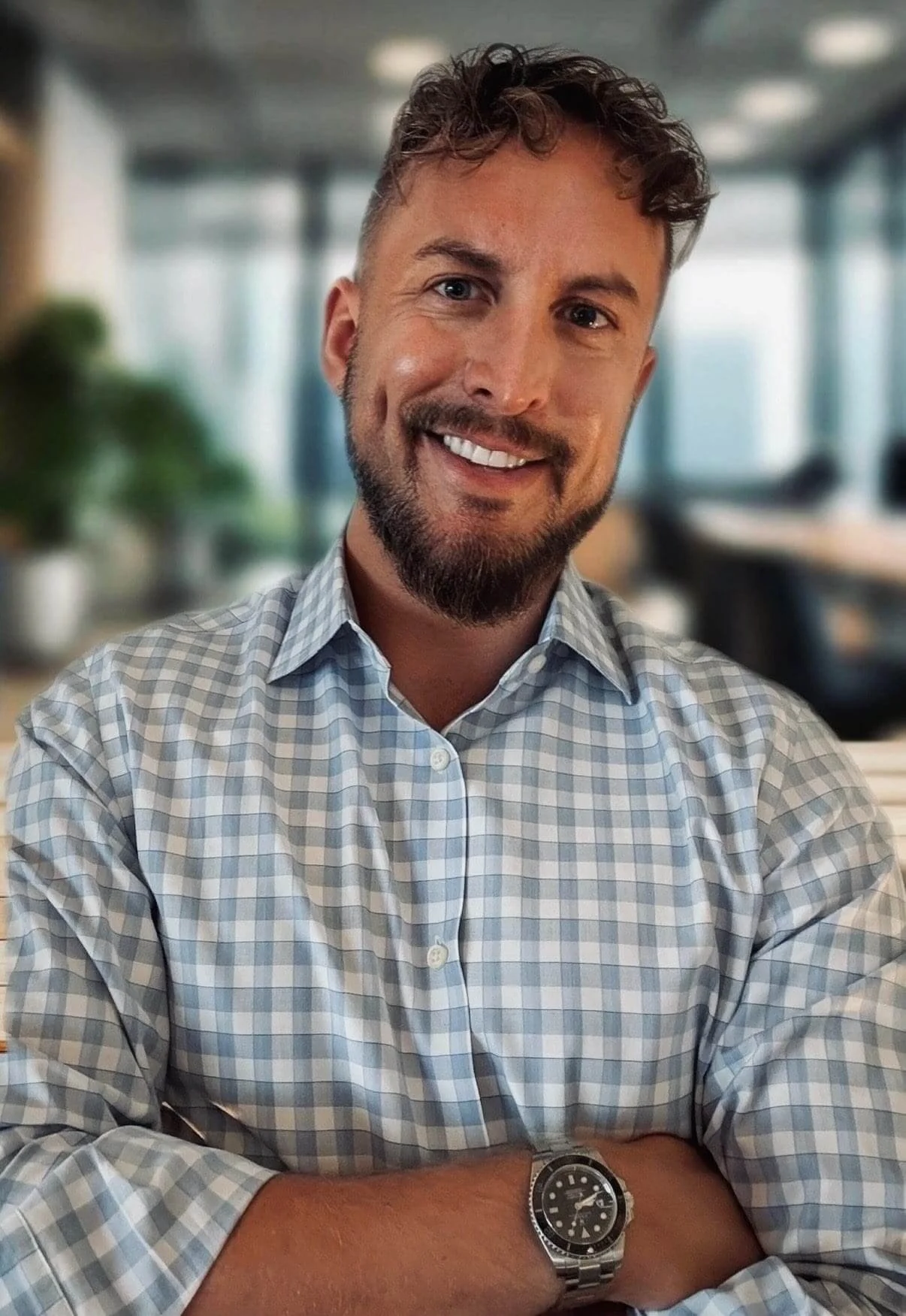
Kevin Waldman
Kevin is a pre-licensed psychotherapist who works with adolescents and adults, as well as couples and families. He helps clients understand and overcome obstacles to fulfillment, meaningful relationships, and a clearer sense of direction. His work often centers on identity development and the unexpected transitions that can challenge how people understand themselves and their lives.
Kevin welcomes LGBTQ-identifying clients and has experience with the complexities of identity, family and social pressures, and difficult family dynamics, including narcissistic parenting.
Kevin also welcomes adults who have grown up with a parent with narcissistic or borderline traits, particularly those whose lives were shaped around managing a parent’s needs, emotions, or instability. As adults, they may struggle with a deep sense of self-doubt, difficulty trusting their own perceptions, guilt when prioritizing themselves, challenges setting boundaries, or patterns of difficulty in intimate relationships. Therapy can offer a space to understand these longstanding patterns, develop a stronger sense of self, and learn to build relationships that feel more mutual, secure, and fulfilling.
Grounded in psychodynamic and relational psychotherapy, Kevin approaches present difficulties within the broader context of each person’s developmental history and lived experience. Understanding the past matters, but therapy is not about remaining there. Insight creates movement: the ability to recognize what has shaped you, understand what may be holding you back, and move forward with greater clarity, resilience, and purpose.
What is Relational Psychotherapy?
Relational psychotherapy explores how our identities, emotions, and relationship patterns are shaped through our experiences with others and the environments we inhabit. Bringing these influences into awareness allows therapy to move beyond symptom relief toward a stronger sense of self, more fulfilling relationships, and a more intentional way of living.
Quisque iaculis facilisis lacinia. Mauris euismod pellentesque tellus sit amet mollis.